Manufacturing service areas

Define the part.
Consider the whole production requirement.

Explore components, fabrication, assembly and production runs with Yghaia Manufacturing. Each area starts with the intended result and the specification needed to discuss it.

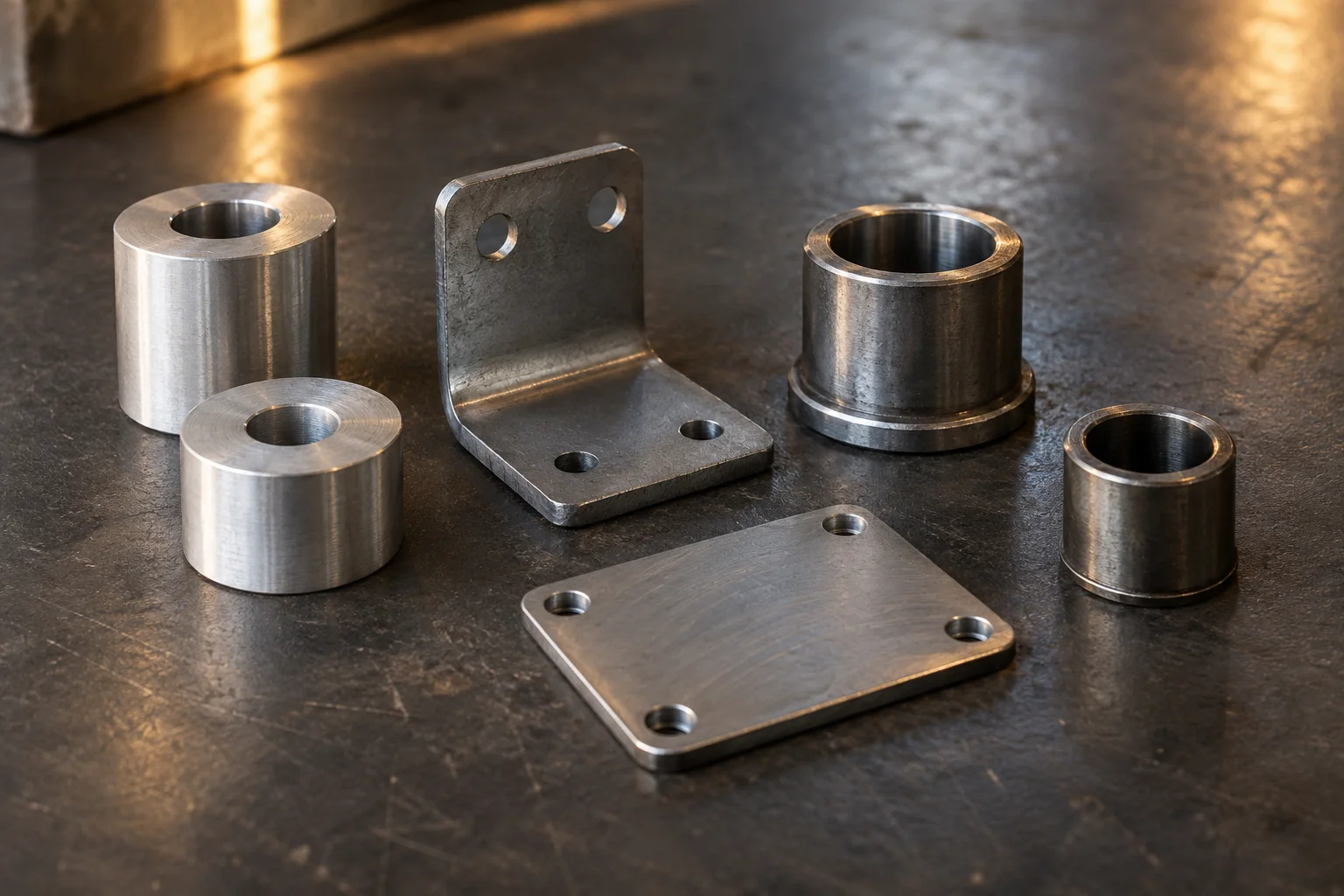
Brushed metal components, bushings and a mounting plate on a workbench

Component manufacturing

Individual parts need a clear function, a material requirement and dimensions that relate to the way they will be used.

A component may connect to another part, support a load or locate something within an assembly. Those relationships help identify the features that require attention. An overall shape alone may not explain which surface, hole or edge controls the fit.

For your enquiry, describe the part and its intended environment. Include the current drawing revision, a sample description or the main dimensions. State the material grade when it is already specified; if it is undecided, explain the properties the part needs to provide.

Distinguish a one-off requirement from an initial batch or repeat order. Any specified tolerance, checking method, finish or documentation belongs in the brief so suitability can be considered against the actual requirement.

  • Intended function and connections
  • Material and drawing revision
  • Critical features and dimensions
  • Quantity and finish requirements
Discuss a component →
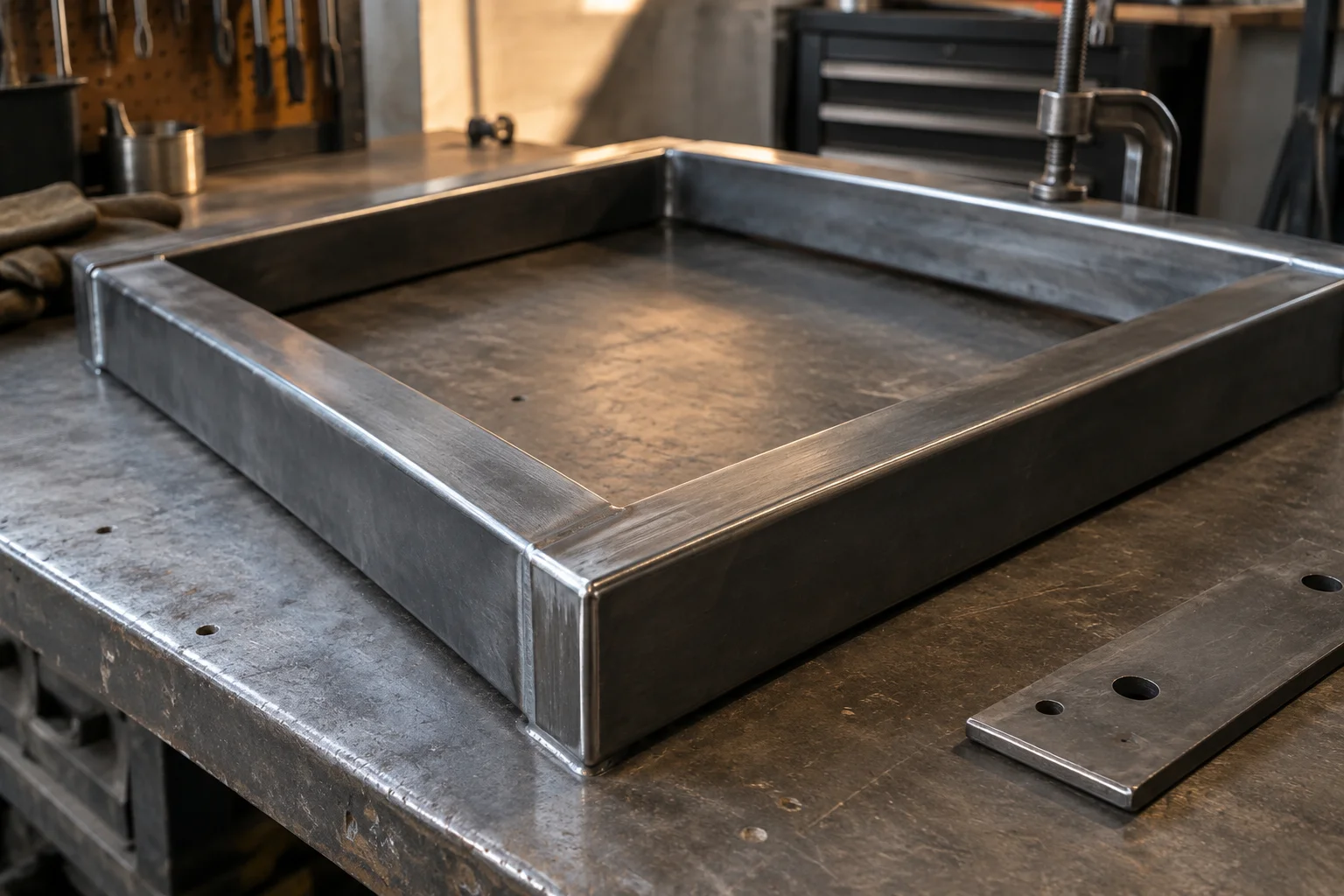
A rectangular fabricated steel frame with joined members on a bench

Fabrication

Bring separate pieces into one defined form, with the completed item's connections, surfaces and working conditions in view.

Fabrication enquiries can involve frames, brackets, enclosures or other formed assemblies. A useful outline explains the completed shape and how its individual pieces relate. Connection points and overall dimensions are as relevant as the individual material sections.

Identify the surfaces that will remain visible and the points that must connect to equipment or adjoining work. Mention access restrictions, handling considerations and whether the item will be used indoors, outdoors or in a particular environment.

Where you have a drawing, note the revision and any requirements for joints, surface preparation or finish. The construction method, material suitability and final scope need to be confirmed for the item; an illustration on the website is not a specification for your order.

  • Overall form and dimensions
  • Material sections and interfaces
  • Joints and visible surfaces
  • Use, handling and finish
Discuss fabrication →
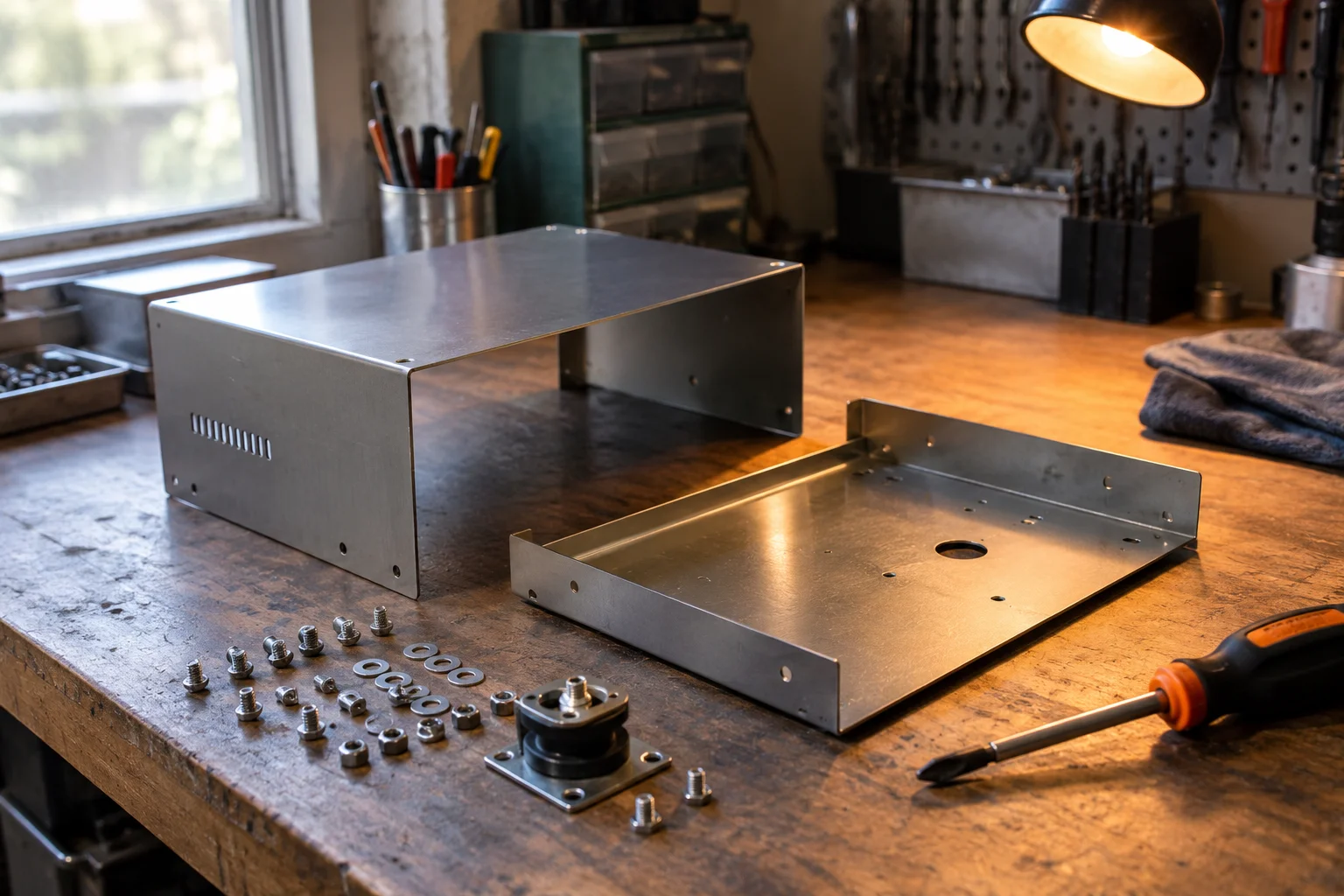
Sheet-metal enclosure panels and fasteners arranged for assembly

Assembly and finishing

Consider how the components fit together and the condition in which the finished item needs to arrive.

Assembly requirements connect the individual parts with the completed product. Orientation, connection points, fasteners and the sequence of work can affect how the assembly is approached. Explain which components are supplied and which parts form part of the enquiry.

Describe the completed condition, including any fit checks, protective surfaces or finishing requirements. If only part of an assembly needs work, make the boundary clear: identify what is already complete and what remains to be discussed.

Handling and packing deserve attention at this stage. Mention components that must remain separate, items that need grouping into sets and surfaces that require protection. Specific finishing methods and inspection requirements are considered against the materials and scope involved.

  • Supplied and required components
  • Orientation and connections
  • Finished condition and checks
  • Protection, grouping and packing
Discuss an assembly →
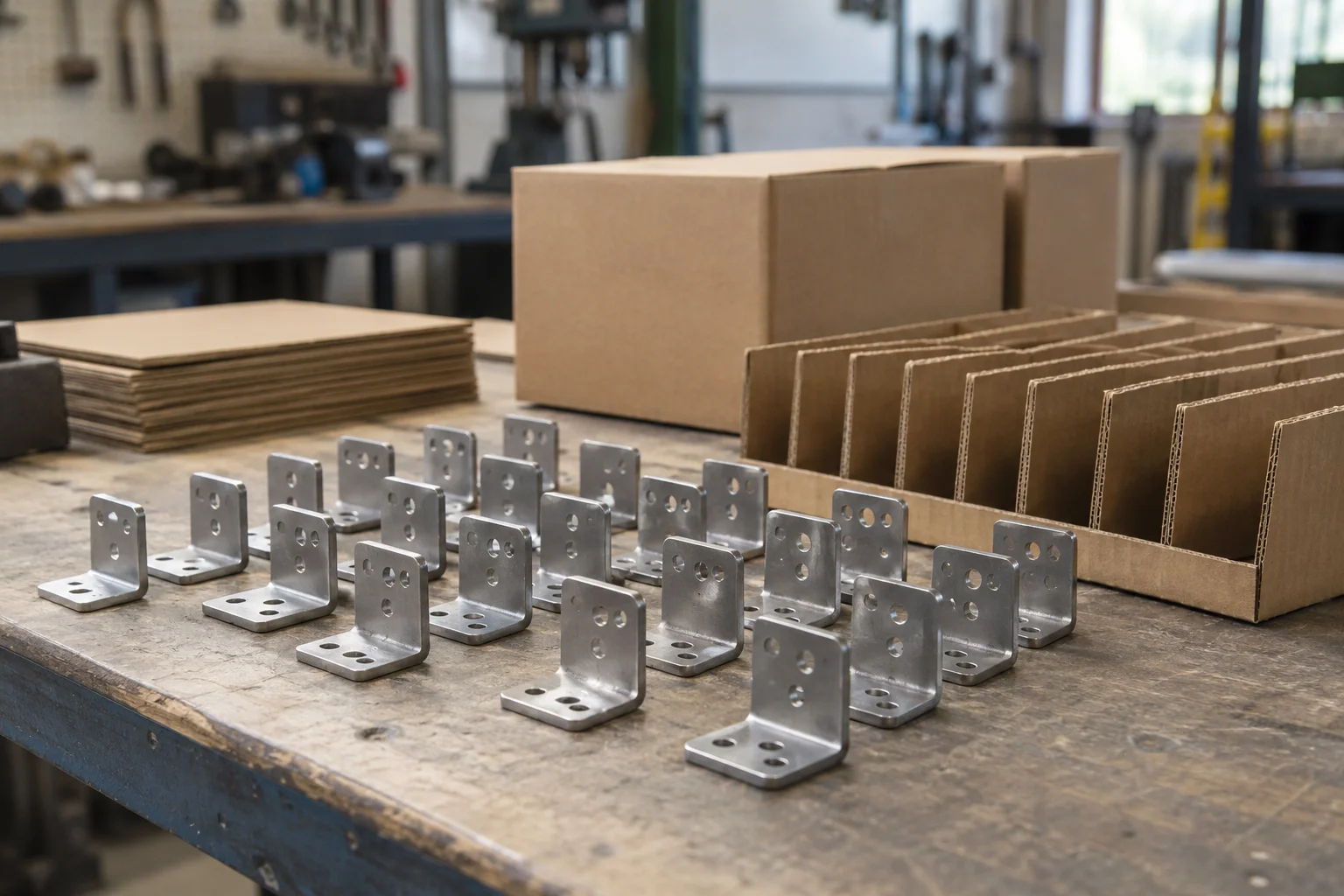
A small batch of metal brackets beside cardboard packing dividers

Production runs

Define the batch as well as the individual item, from quantities and variations to repeat requirements and delivery sequence.

An initial run provides a different planning context from a recurring order. Include the first quantity required, any product variations and whether future batches are anticipated. Separate firm requirements from estimates so the enquiry reflects the current need.

The current specification helps maintain a consistent starting point. Identify drawing revisions, material requirements and any sample approval or checking expectations. Where a change from a previous item is involved, explain the change rather than relying on the earlier description alone.

State the preferred timing and whether the order is needed together or in stages. Include labelling, grouping and packing requirements. Availability, production approach and delivery arrangements are confirmed for the actual work before an order is agreed.

  • First batch and repeat quantities
  • Variants and specification revision
  • Checking and approval requirements
  • Timing and delivery sequence
Discuss a production run →

A useful specification at a glance

RequirementWhat to include
FunctionThe item's purpose, working environment and relationship to adjoining parts.
DefinitionA current drawing or sample description, dimensions, material and required finish.
QuantityInitial batch, variants, repeat demand and any grouping requirements.
CompletionAssembly, checking, documentation, packing and preferred timing.

Before you enquire

Manufacturing questions

What should I include in an initial enquiry?

Describe the component or assembly, its purpose, preferred material, approximate quantity and timing. Mention an existing drawing, sample or specification and identify any dimensions that control how the part fits or functions.

Can I enquire before the specification is complete?

Yes. Explain what is known and which decisions are still open. A rough description is a starting point; material suitability, process, scope and delivery requirements need to be confirmed for the actual work.

Are specific tolerances and finishes available?

Put any tolerance, finish, inspection or documentation requirement in your enquiry. The website does not provide a fixed equipment list or tolerance guarantee. Suitability is established against the specification before an order is agreed.

Have a part, assembly or production requirement?

Share the intended use, the material and the quantity. Include any drawings or specifications already available so the enquiry starts with a clear requirement.

Discuss your requirement